
REALM WITHOUT A KING
While Camelon and Corumand have for centuries been at odds in an ending rivalry that will not end until one House eradicates the other, there is one realm that has done it’s best to maintain neutrality. The Dukedom of Umbria.
TO KILL A KING
Once, they had a King. The ruling House was Camaran, and had ruled historically with a turbulence. It seemed the ruler would either be wise, strong and benevolent, and the next would be reckless, craven and ill with malice. When the conflict began between Corumand and Camelon, and every House across The Ivory Isles were choosing sides, the majority of Umbria’s nobility did not want to go to war for some foreign King, seeing as they had one of their own (albeit, the King at the time, King Fergan Camaran, was reputed to be violent, irreligious, murderous bully who yearned for battle and the privileges that came with being King). Sedition began to grow in the court of the King. And these seditious whispers may have been hushed, had it not also involved many of the clergy – who saw Fergan as a devil in disguise. And so it was, while the main lands were preparing for war and awaited Umbria’s decision, Umbria was swiftly preparing their own revolution. House Camaran had earned its throne through bloodshed, it only made sense that it would end that way. And it did. A plot organised by the barons and the prince-bishop ended the unmarried King, slaying him in his bed by the employ of skilled assassins, who mercilessly went on to slay the rest of his bloodline. The land was tired of the erratic rule of Camaran, and they would be damned if they allowed their supposed ruler to bring a war of foreign kings to their land.
Since that time, there had been disagreement over who should be King, but a swift decision was made to leave the Kingdom without a King, and allowed it to be ruled by the realm’s Duke – who had distant blood tie with the Camarans, but whose rulers had far fairer and wiser temperaments. And so, after a formal agreement between the nobility and the clergy, the Kingdom of Umbria would be re-organised into an independent Dukedom.
GEOGRAPHY
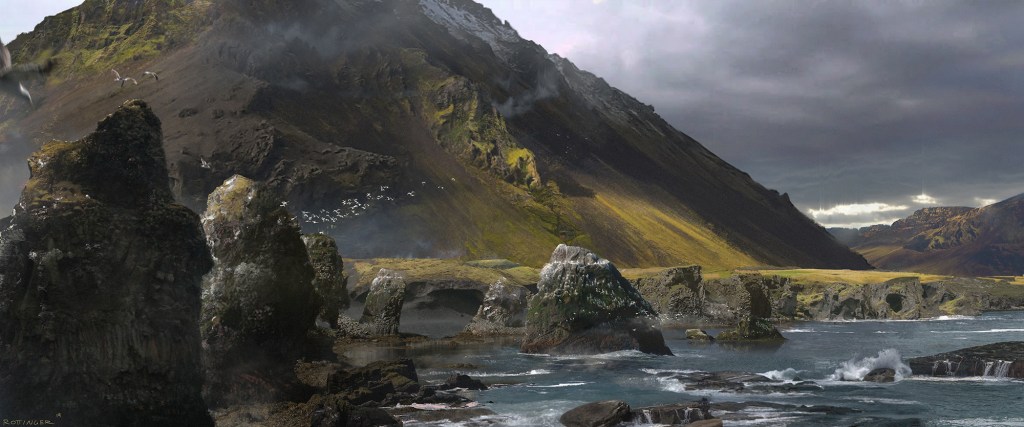
A large island comprised of hills, forests and wetlands, ruled by a feudal system and marked with castles and keeps, it is a predominantly Graenician and chivalrous realm.
Umbria is a relatively prosperous realm too – it sits just beyond the eastern shores of Corumand, and has a thriving city port along it’s eastern coastline, Roxburgh. This is due to it’s open arms towards the Polar Sea, where ships from not only The Ivory Isles, but also The Republic, The Mainland and even those from as far as Pune can sail forth.
However, what makes Umbria so attractive is it’s plentiful abundance of silver, making much of Umbria a thriving mining realm. Though this would immediately warrant attention from both Camelon and Corumand, neither have been successful in swaying the reigning monarchs to swear fealty to any side.
Umbria has been well informed on the devastation that will follow, should they choose a side. Their treasuries are full, their people work hard and humbly and life continues on.
Now, that is not to say that Umbria does not have it’s issues. Many times have either Corumand or Camelon raided their mining outposts through the use of mercenaries before being swiftly repelled back. And due to their open position in The Polar Sea and their lonely independence, Sodian and Troglodyte and Human corsairs have found the land to be a compelling target to plunder.
Overtime, to combat this frequent insurgence, Umbrian Lords have built strategic outposts along the coast near mining quarries, and have constructed a large fleet who patrol around the island.
But even so, their fleet cannot protect them for the things that lurk inland. Umbria has vast forests that are as shrouded in mystery and superstition as Armorica. Witches and warlocks gather with their flock of cultists to commit heinous spells and curses for their own benefit. Goblins, Blemmyae and Troglodytes amass in roving bands to attack merchant convoys or small hamlets. Thankfully, the dukedom of Umbria is blessed with a myriad of chivalrous knights who boldly sally forth into forests forlorn and ruins of darkness to smite the evil from their liege’s land. And what’s more, there are Gnomish Groves even benevolent Druidic circles who are allied with feudal lords to protect the land and preserve the natural order of things from the villainous powers that lurk about the land.
NOTABLE LOCATIONS
ROXBURGH
Umbria is split into two regions; in the reigning latter half of the 9th century, Northumbria and Southumbria. Northumbria is ruled by Earl Percival of House Baston, and is governed by five Barons and two Vicounts. Southumbria is ruled by Earl Eleanor of House Carr, and is governed by seven Barons and one Vicount. All houses swear allegiance to the Duke of the realm, which is annointed to House Povis.

- A large city on the south eastern coast of Southumbria. It is the ancestral seat of House Povis (though their castle is some miles away from the city itself) but is also ruled to a religious extent by the Prince Bishop of the city’s grand cathedral: St. Morith Cathedral.
SILVERMOUNT
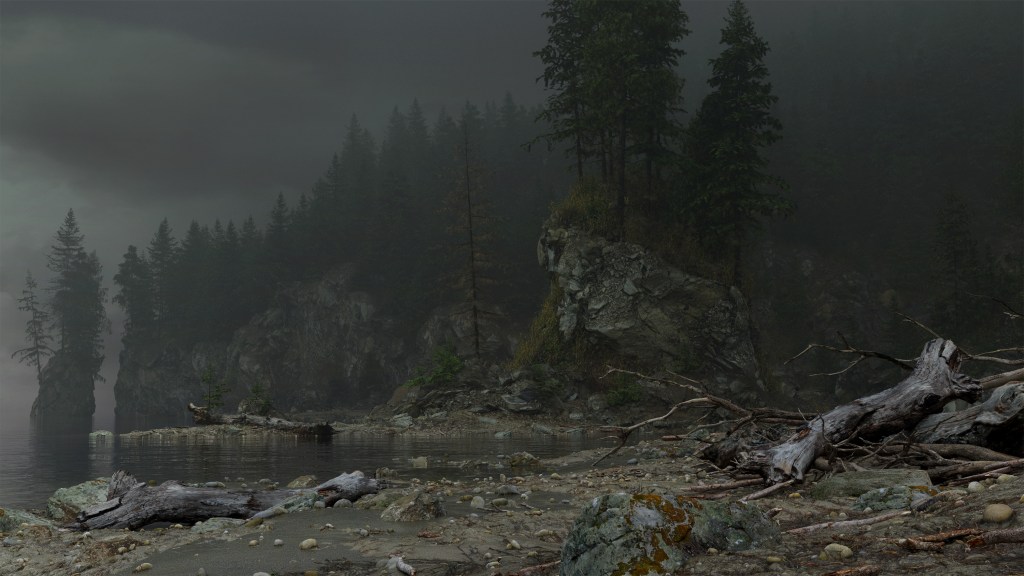
- To the north east of Northumbria, in the Barony of House Snowlock, is the greatest quantity of quarries for mining silver, coated nicely with large forests that house gnomes and hunters, and has been the unfortunate victim of many pirates, leading to it’s heavy military dominance. War Galleys patrol the coastline, as men at arms patrol the roads inland. It is known to be the only land in Umbria, if not the entire Ivory Isles to have roads with lanterns, to keep the main roads illuminated – not just for marking highwaymen, but also to ease the minds of merchants and travellers who travel through the night. They are kept alight by the night patrols.
HYLTON
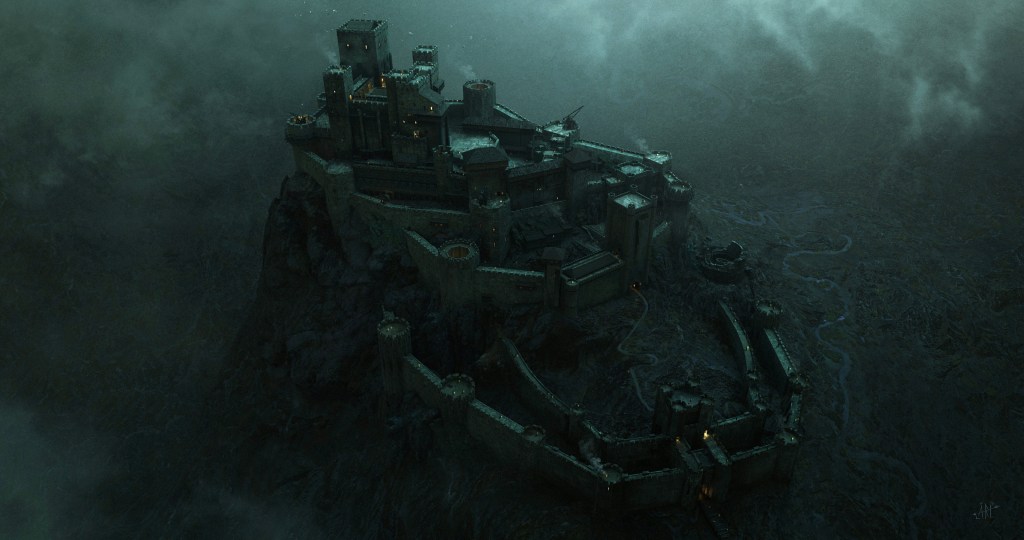
- Hylton is a fortress and the power behind the arsenal that is the military of Silvermount and House Snowlock. It’s a tall tower built atop a stone hill that dominated the horizon, jutting forth from a robust keep surrounded by clusters of villages below. Hylton is compact but densely populated, and is the home of various guilds, such as carpentry, masonry, military and farming, to name a few.
GROND
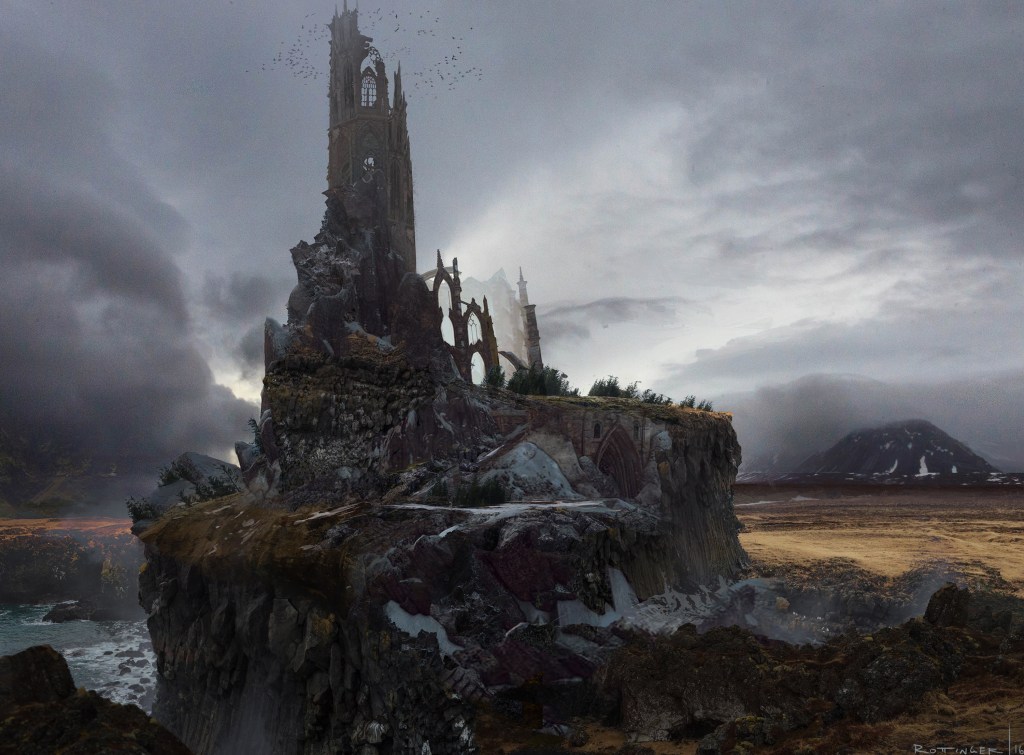
- Named after the ruined tower that dominates a landscape of wild fields and hinterlands, it is a realm in Northumbria within the land of House Murrey, but the rulers wish nothing to do with that land. It is said to be cursed by both mortal and supernatural forces. Hushed whispers of sorcerers, vampires, mad hobs, roving trolls and goblins who amass in long abandoned keeps, and is the home of fugitives, outlaws and broken men. The ruined tower of Grond itself has an ill reputation, and with good reason too. There are times – random – when lights can be seen from the tower at night by those who have been foolhardy enough to travel too close to it.
SABLE SUN FOREST
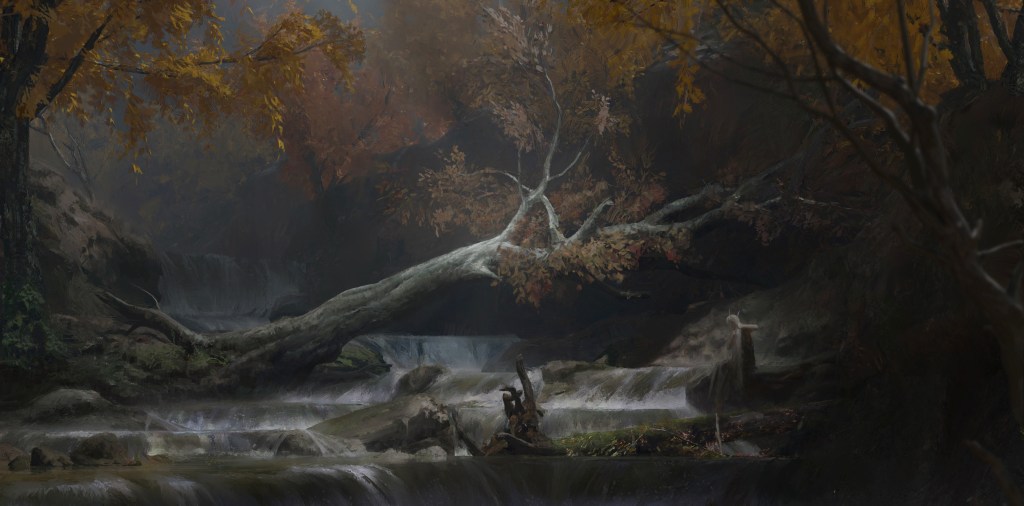
- Though in Wislandic, it should be “Eclipse” the druids and their flock who dwelt their (and still do) named the forest after the celestial phenomenon, but the name has since been kept. It is a giant forest that exists to the centre of Umbria, and holds its own secrets both wondrous and dark. Sable Sun Forest is also home to the Sable Sun Druidic Order – one that his (reluctantly) permitted to practice their devotion to Mother Nature, as they keep to themselves mostly, and have helped protect the neighbouring fiefs from monsters.
- It is also home to the largest Groves of gnomes. Oddly enough, they are as Graenician as a typical Umbrian human peasant. They have certainly been big players in the protection of Umbrian folk and themselves from monsters and bandits.
CHIVALRY
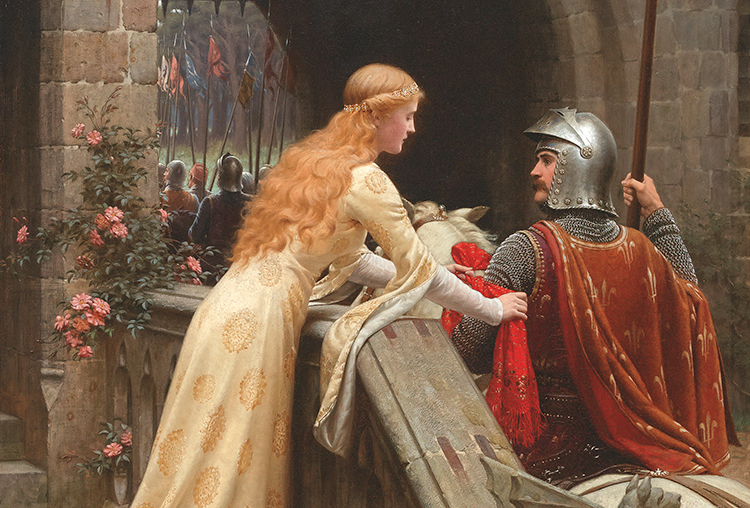
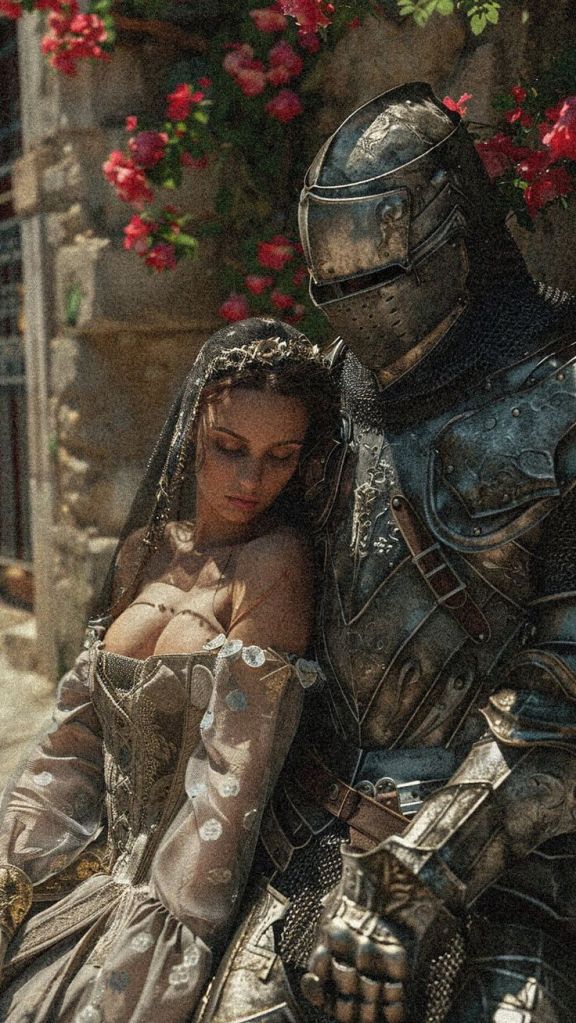
Umbria is a realm of chivalry, very much what Corumand lost and what Camelon is losing. All folk; men or gnome, noble or humble, are God fearing, country loving, and obedient to those in authority who deserve obedience. Women are viewed as Queens by their men – treated with respect and value, and men are strong for their women, learning discipline through craftsmanship, fighting and manners.
The Knights of Umbria are of particular note – known for their just, stalwart and courageous attitudes, they are seen with envy by other nations that hold Chivalrous values.
 FANTASY BOUND STUDIO